
WordPress speed optimisation Ireland
WordPress speed optimisation in Ireland for faster, more stable websites.
I diagnose what is slowing down your WordPress website, improve the areas that matter most and test the result on representative pages and devices. The work can cover hosting response, caching, images, CSS, JavaScript, fonts, plugins and Core Web Vitals without treating a PageSpeed score as the only goal.

Irish businesses with a slow WordPress website, weak mobile performance, failing Core Web Vitals or a growing mix of plugins and third-party scripts.
Overview
Website speed is a system, not a single plugin or a perfect score.
A WordPress page is shaped by its hosting, database work, theme, plugins, images, fonts, scripts, caching and third-party services. PageSpeed Insights and Lighthouse can reveal useful problems in a controlled test, while field data can show how eligible pages perform for real Chrome users across different devices and connections. Core Web Vitals focus on loading, interactivity and visual stability through Largest Contentful Paint, Interaction to Next Paint and Cumulative Layout Shift. A responsible optimisation project uses these signals to find practical improvements, keeps the website usable and explains any constraints that remain. It does not remove necessary functionality simply to manufacture a higher score.
The problem
The visible delay may be caused by several layers of the WordPress stack.
Who this is for
Who WordPress speed optimisation is designed for
Established WordPress websites
For a business website that has become slower as pages, plugins, tracking, images or design features have accumulated.
Sites with mobile or Core Web Vitals concerns
For teams seeing slow mobile tests, poor field data or visible loading, interaction and layout-stability problems.
Ecommerce and content-heavy websites
For WooCommerce, publishing or directory sites where caching rules, dynamic pages and third-party functions need careful treatment.
What this includes
What WordPress speed optimisation can include
The exact scope depends on your website, goals and budget, but this gives you a clear starting point.
Baseline tests and page selection
Test representative templates such as the homepage, a service page, a Guide, a product page and a key conversion path instead of relying on one convenient URL.
Hosting, response and caching review
Review server response, cache behaviour, compression, delivery headers and obvious hosting constraints, then separate configuration issues from limits that require provider support.
Image and media optimisation
Check dimensions, compression, responsive images, modern formats and lazy loading while ensuring the likely LCP image is discovered and loaded at the right time.
CSS, JavaScript and third-party review
Identify render-blocking or unused assets, long tasks and expensive third-party scripts, then optimise or delay only where the change remains compatible with the page.
Theme, plugin and font assessment
Review frontend weight, duplicate features, unnecessary plugin output and font delivery. Recommendations consider maintenance and business function as well as raw file count.
Largest Contentful Paint improvements
Address the delivery path for the main above-the-fold content through server, resource-priority, image, font, CSS and rendering improvements relevant to that page.
Interaction to Next Paint improvements
Investigate long main-thread tasks and excessive JavaScript that may delay user interactions, using lab signals and available real-user evidence appropriately.
Cumulative Layout Shift improvements
Reserve suitable space for images, embeds and dynamic elements, stabilise font and component behaviour, and find shifts that happen after the first screen appears.
Regression testing and handover
Retest selected pages and important actions across suitable screen sizes, document the work completed and identify hosting, design or third-party constraints that remain.
Benefits
What your business should gain from this service.
Faster delivery of important page content
More responsive menus, forms and page interactions
More stable layouts while pages load
A lighter and more deliberate frontend
Clearer evidence about hosting and third-party limits
A tested priority list for further improvement
Process
A measured optimisation process that keeps the live website useful.
Confirm the website goals, priority pages, logged-in or ecommerce behaviour, hosting access and functions that must not be disrupted.
Record a baseline with repeatable lab tests, available field data and direct inspection of requests, assets and browser work.
Rank the likely bottlenecks by visitor impact, technical risk and effort, then agree the practical implementation scope.
Apply suitable server, cache, image, font, CSS, JavaScript, plugin or template improvements in a controlled order.
Clear relevant caches and test representative pages, forms, navigation, consent, tracking and purchase or enquiry paths after changes.
Compare the results with the baseline and provide completed work, remaining constraints and sensible next steps without guaranteeing a fixed score.
Pricing guidance
WordPress speed optimisation pricing based on diagnosis and site complexity
The scope depends on the website size, hosting access, theme and plugin stack, third-party scripts, ecommerce behaviour and the number of templates that need testing. These starting points help define the first step; the exact scope is confirmed after an initial review.
Speed Audit and Action Plan
For a small WordPress website that needs evidence, priorities and a practical plan before implementation.
- Representative page tests
- Bottleneck review
- Ordered action plan
Focused Speed Optimisation
For implementing an agreed set of performance improvements on a defined WordPress website.
- Caching and asset improvements
- Core Web Vitals focus
- Regression checks and handover
Complex Performance Work
For ecommerce, custom builds, difficult hosting constraints or websites with several dynamic and third-party systems.
- Custom technical scope
- Staged implementation
- Extended template and function testing
Official performance guidance
Understand the Core Web Vitals used to assess user experience.
Google describes LCP, INP and CLS as field-oriented measures of loading, interactivity and visual stability. Lab tools remain valuable for diagnosis, but they do not reproduce every real visitor or interaction.
Read the Web Vitals guidanceSee ongoing WordPress maintenance
Related work
WordPress projects built with performance and practical use in mind
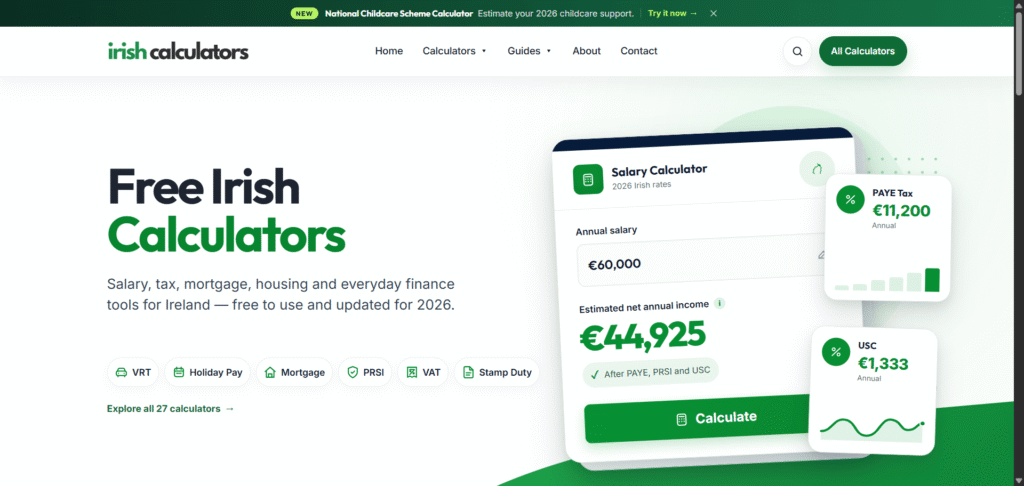
Calculator and Guide platform
Irish Calculators
A broad set of interactive calculators and content templates organised around reusable components and mobile usability. View case study
Local appliance repair website
SameDayFix
Direct call, WhatsApp and photo-sharing paths supported within a clear mobile service experience. View case study
Local food business website
GOAT Deli
Menu, catering and location information structured into a clear browsing journey for customers using phones. View case studyRelated services
Other services that may support this project.
FAQ
Common questions about speed optimisation.
What is WordPress speed optimisation?
It is the process of measuring a WordPress website, identifying the causes of delay or instability, implementing suitable improvements and retesting important pages and functions. It can involve hosting response, caching, images, fonts, CSS, JavaScript, themes, plugins, database work and third-party services.
What is the difference between PageSpeed Insights, Lighthouse and real-user data?
Lighthouse runs a controlled lab test that is useful for repeatable diagnosis. PageSpeed Insights can show both lab results and Chrome User Experience Report field data when enough real-user data is available. Field data reflects a distribution of actual devices, connections and interactions, so the two views can differ and should be interpreted together.
Can you guarantee a 90 or 100 PageSpeed score?
No. A score can vary with the tested page, device profile, server conditions, tools and third-party scripts. Necessary functions such as consent, analytics, chat, maps or ecommerce may also add work. I focus on genuine visitor improvements and explain the trade-offs instead of guaranteeing a fixed number.
Which Core Web Vitals should a website meet?
The current Core Web Vitals are LCP for loading, INP for interactivity and CLS for visual stability. Google’s good thresholds are LCP within 2.5 seconds, INP of 200 milliseconds or less and CLS of 0.1 or less, assessed at the 75th percentile separately for mobile and desktop.
Does website speed affect SEO?
Google recommends good Core Web Vitals for Search and says they align with what its core ranking systems seek to reward, but good scores do not guarantee top rankings. Speed work should support users and technical quality while broader SEO addresses search intent, content, indexing and authority.
Will optimisation changes break forms or ecommerce?
Any technical change carries some risk, particularly script delay, caching and asset removal. That is why important forms, navigation, consent, analytics and purchase or enquiry paths should be tested after changes. Some aggressive techniques may be rejected when they create unacceptable functional risk.
Is installing a caching plugin such as FlyingPress enough?
A carefully configured caching plugin can provide useful improvements, but it cannot solve every hosting, image, theme, plugin, database, layout or third-party problem. The right configuration also depends on dynamic pages, logged-in users, ecommerce and the functions that must remain immediate.
Do I need to change hosting?
Not automatically. Testing may show that caching, assets or frontend work should be addressed first. If server response, resource limits or platform restrictions remain a material bottleneck after appropriate checks, the report can explain what to ask the current provider or what a different hosting plan would need to improve.
How long does WordPress speed optimisation take and what does it cost?
Timing and price depend on site size, access, hosting, theme, plugins, third-party scripts and testing needs. A Speed Audit and Action Plan starts from €250, focused implementation starts from €499, and complex ecommerce or custom performance work is quoted after review.
Next step
Need this service for your business?
Send me your website link or project idea and I will suggest the most practical next step.